2025-12-12
1. Accuracy and Repeatability:
Accuracy determines the reliability of experimental data, while repeatability ensures similar results for the same experiment at different times or under different student operations. When purchasing Chemistry Teaching Instruments, check the error range or repeatability indicators in the technical specifications.
2. Sensitivity and Resolution:
The ability to promptly capture minute changes in parameters such as temperature, concentration, and pressure is a prerequisite for real-time data acquisition. High sensitivity and fine resolution enhance the visualization of experiments.
3. Material Corrosion Resistance:
Chemical experiments often involve corrosive reagents such as acids and alkalis. Using corrosion-resistant and environmentally friendly materials for the instrument casing and contact parts can extend service life and ensure safety.
4. Compatibility and Expandability:
Modern Chemistry Teaching Instruments often require the use of sensors, data acquisition software, intelligent stirrers, etc. When purchasing, confirm the interface standard (e.g., USB, RS-232) and whether it supports future function upgrades.
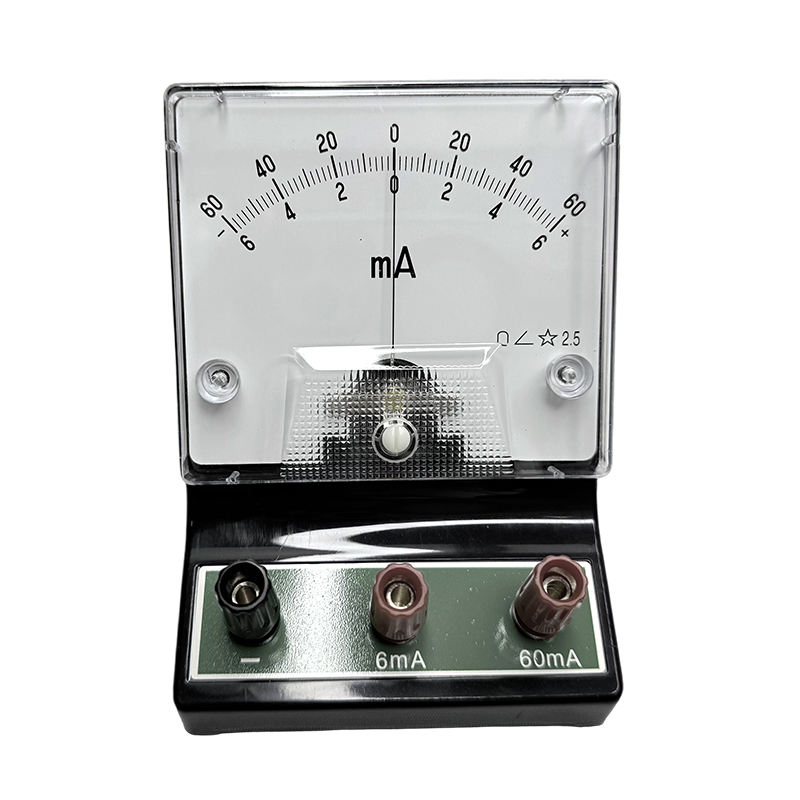
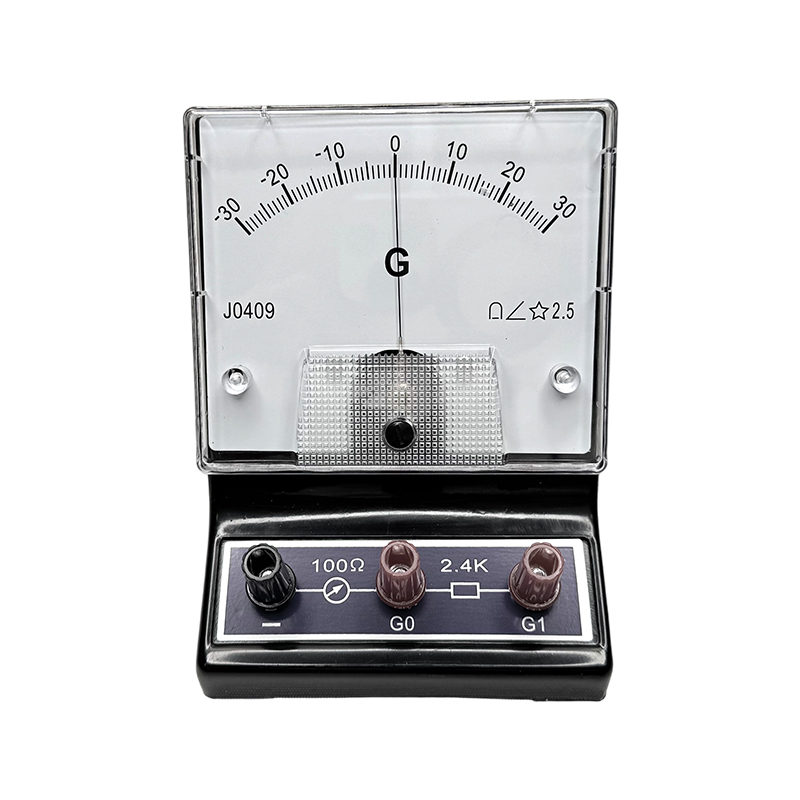
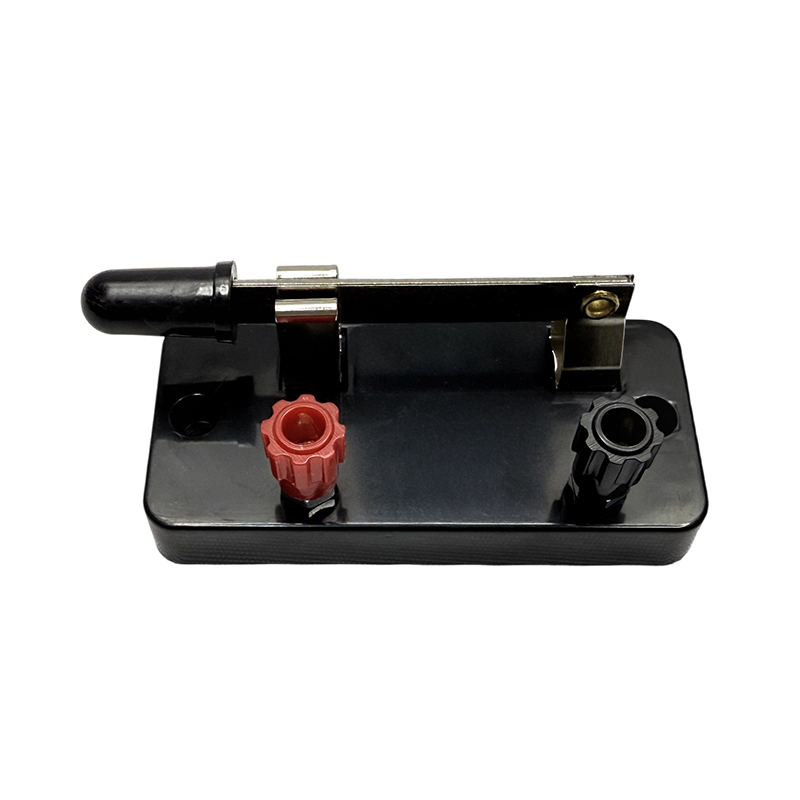
Recommended Products



+86-18630650508 +86-0574-62500588

 No. 588, Chaoyang South Road, Ditang Street, Yuyao, Ningbo City, Zhejiang Province, China


 English
 русский
 Espa?ol